

Rafah and Beit Lahia once had a thriving flower industry, exporting millions of carnations and chrysanthemums to Dutch markets. But years of delays and seizures at Israeli checkpoints left them wilting at the border, & the trade nearly vanished.
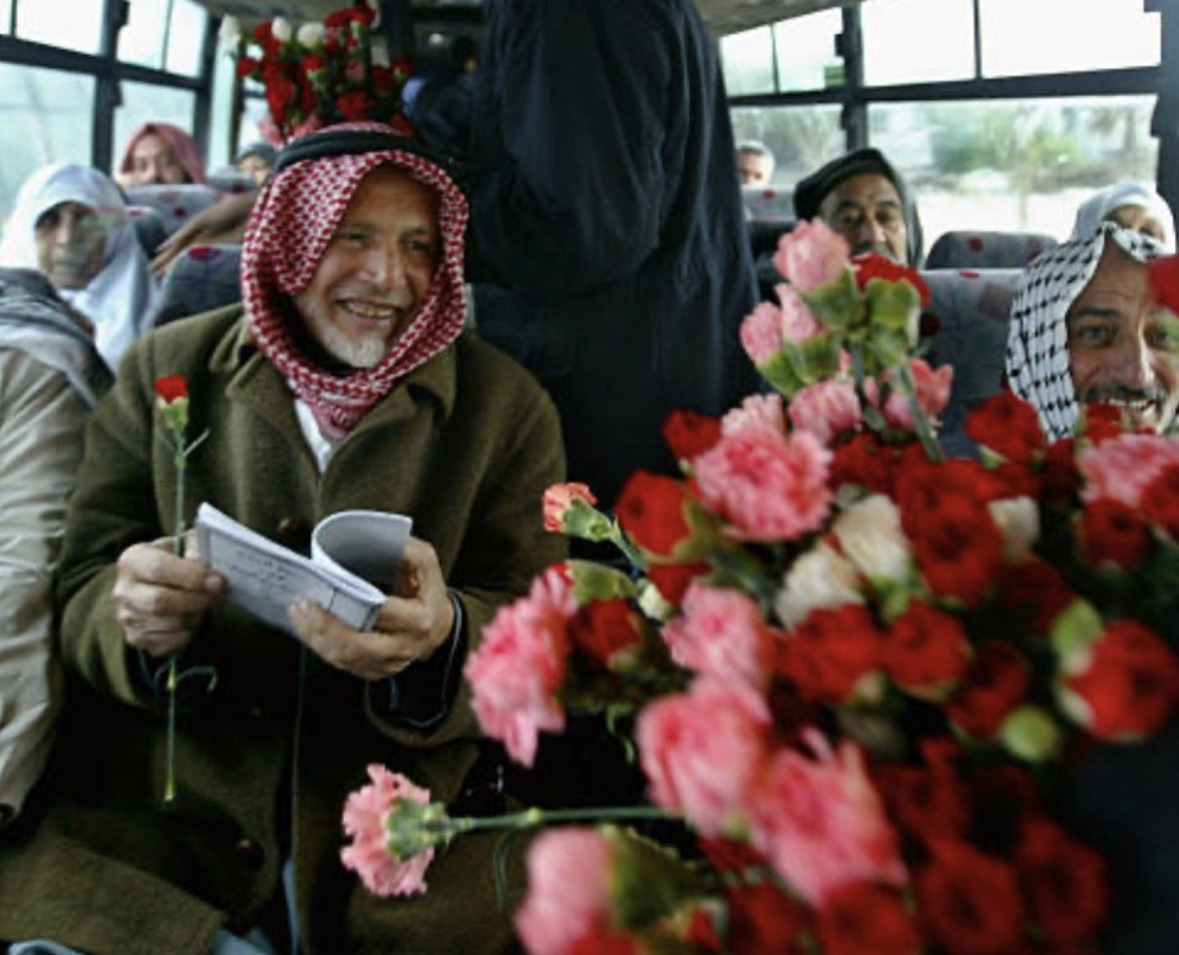
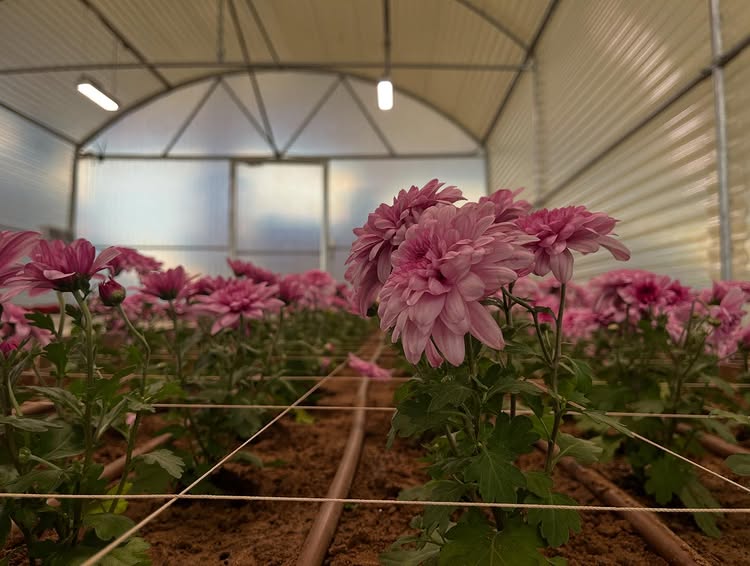
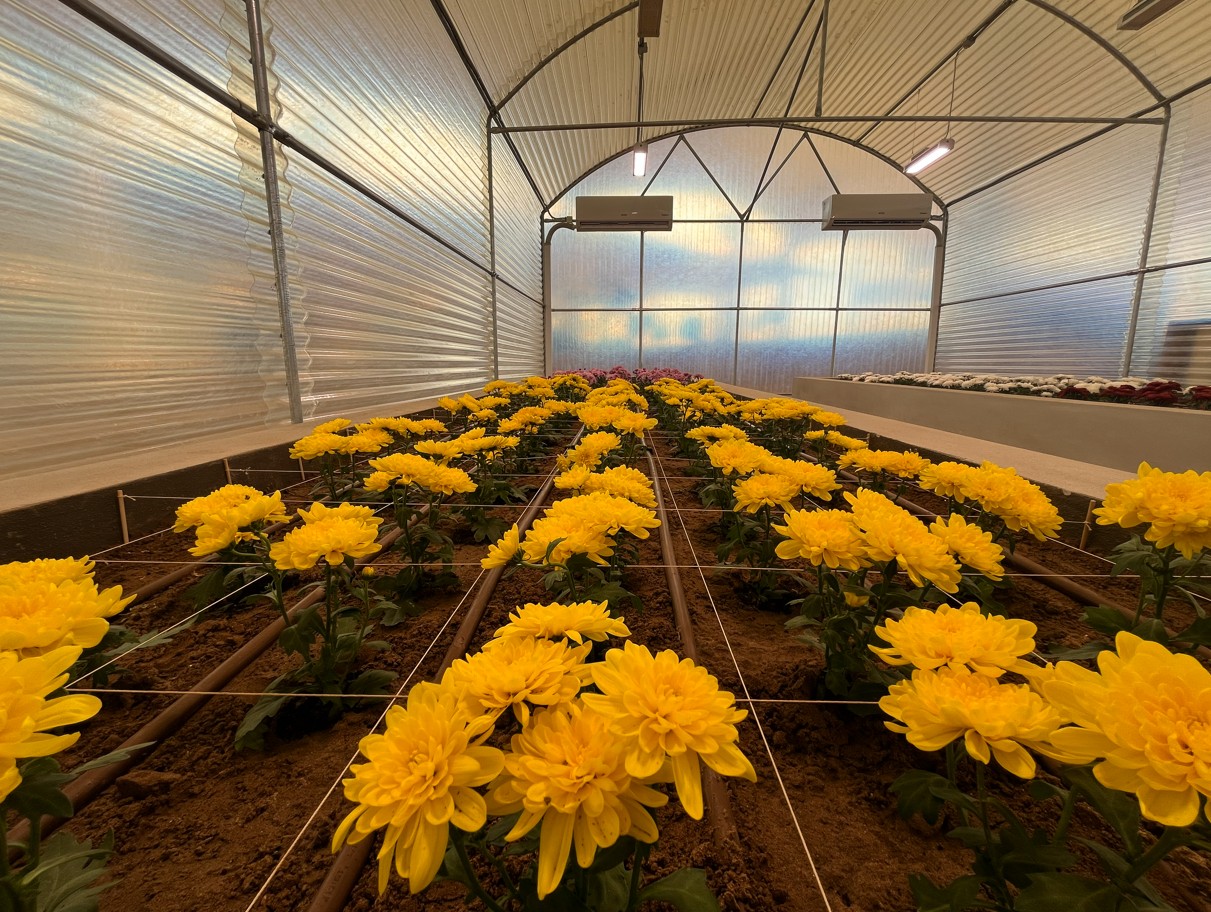
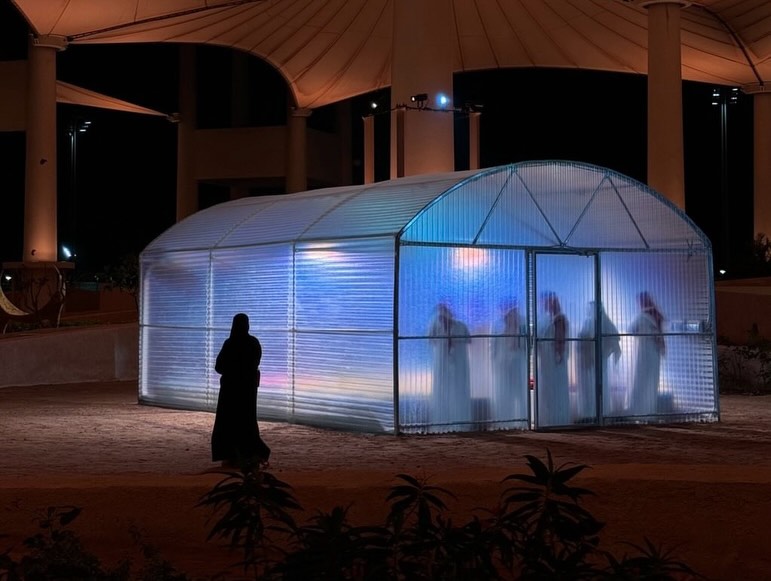
In Cut Flowers, Younis returns to a 2004 scene from that history, when boys boarded a bus and handed carnations to Hajj pilgrims stranded before their journey. She speculates that those flowers were carried across borders, tucked into luggage, until they finally found familiarity in Jeddah’s soil. At the Islamic Biennale, she fills a greenhouse with Gazan flowers hoping this year’s pilgrims will carry them back home; a botanical act that attunes us to regional intimacy, and marks how our identities are entangled beyond borders.
في رفح وبيت لاهيا، كانت حقول القرنفل والأقحوان تُزرع بعناية، وتُعدّ للتصدير إلى سوق الزهور في هولندا. لكن حواجز الاحتلال كانت كثيراً ما تعيق مرور الشحنات، فتذبل الأزهار وتفقد قيمتها. ومع الوقت، تلاشت هذه التجارة تدريجياً.
في "زهور قطف" تستعيد آلاء يونس مشهداً من هذا التاريخ: في عام ٢٠٠٤، فتيان فلسطينيون يقدّمون أزهار القرنفل لحجّاجٍ عالقين عند معبر رفح قبيل انطلاقهم إلى مكة. ومن هذه اللمحة تصوغ يونس عملاً تركيبياً، تتخيّل فيه أن تلك الزهور عبرت الحدود، مخبّأة في الأمتعة، إلى أن وجدت أخيرًا أُلفةً في تربة جدّة. ففي البينالي الاسلامي، تملأ يونس مشتلاً بأزهار من غزة، على أمل أن ترافق حجّاج هذا العام في رحلة العودة. في هذا العمل، تتجسّد القرابة الإقليمية كما هي:حاضرة، مألوفة، ومتجذّرة في ما يتجاوز الحدود.